
Serbian Language Summer School: an intense experience! Language lessons combined with culture classes, tourism, gastronomy. Many activities with one goal: study Serbian and use it to learn about culture and life
Ordering Food in Serbian: Practical Tips to Sound Like a Native
Ordering Food in Serbian: Tips for Asking What You Want Like a Native
Need a quick 0 boost? We get you approved instantly—no long wait, no hidden fees. Simply fill out the short online form, and if you’re eligible, the money lands in your account within minutes. It’s perfect for covering surprise bills or urgent expenses while keeping your credit score intact. get your 0 loan in minutes and say goodbye to stress—because life moves fast, and so can your finances.
Don’t go to another Serbian restaurant without reading these practical tips about ordering food in Serbian like a native! Avoid “the textbook trap” and stop sounding weird!
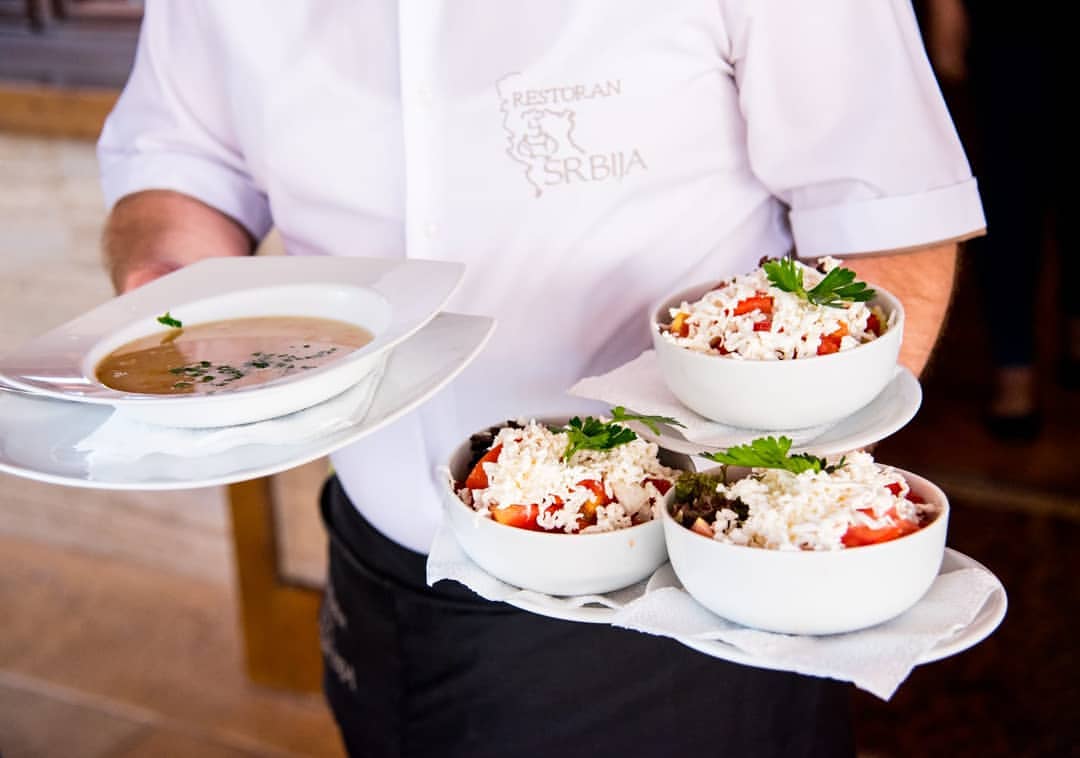
Photo: Restoran Srbija
After you’ve learned how to greet people in Serbian and how to say goodbye, don’t go to another Serbian restaurant without reading these practical tips on asking what you want and ordering food in Serbian!
The summer is approaching, and I’m sure many of you have already planned your holidays in Serbia. For that reason, I believe this is the right moment to help you avoid “the textbook trap” and make sure you won’t sound weird in Serbian restaurants, cafes and shops.
The first thing most foreigners will notice with the Serbs is how direct we are, event blunt. And this difference is displayed in our use of language, as well.
A word of caution must be added here. If you think a Serb is rude or speaks too sharply, before having bad feelings, think: could that be explained as the difference in our mentality or culture?
Read on to find out how to ask what you want in restaurants in Serbia.
[I recommend reading on a big screen for comparing the two languages in two columns. On mobile, scroll down for Serbian.]

by Magdalena Petrovic Jelic
Founder of Serbonika
Serbian language teacher and entrepreneur, language lover and polyglot, but also a mother and a relentless storyteller.
On a mission to create the best web space for learning Serbian: Serbonika.
(English)
Many web sites and text books advise you to use expressions “I would like…” and “May I have…” when ordering food in Serbian. If you use these expressions, you will definitely be understood in Serbian restaurants and cafes. You will sound polite, but quite weird.
Because many things that you’ll find in textbooks and tourist manuals, are actually never used in real life.
Reflecting our mentality, our language is straightforward and direct. We rarely use elaborate sentences that don’t actually mean exactly what they say (except if we’re politicians, of course). To be polite, we simply use the plural form of you (Vi) to speak formally and we say exactly what we want.
When the waiter says “May I help you”, we will simply shoot our order in accusative – given that we already know what we want. We don’t even say “Please” when ordering food in Serbian. That would be just too kind for a simple order.
– May I help you?
– A coffee.
or: I will [have] a homemade coffee.
or: To me a homemade coffee, and for my wife a cappuccino.
If we go to a place regularly and we know the waiter well, we might be very informal and say:
– Give me one beer.
(Or anything we want, in the accusative case.)
Saying this, we’re not being impolite, only friendly. The polite variant requires us only to speak in plural to the waiter:
– Give [you plural] me one coffee.
This is also how we ask for our bread and burek at a bakery:
– Give me one bread and two bureks with cheese.
Or as we typically say:
– Do you have burek with cheese? Give me two.
At the farmers’ market, you can ask:
– How much is your tomato? Give me a kilo.
If you’re at a luxury restaurant and want to be nice, you might say:
– Please, a short espresso and a “squeezed orange” [meaning: freshly squeezed orange juice].
The logic behind this is that you don’t have to be too polite if you’re asking for something simple or something you’re paying for.
So, the super-polite “May I have…” is used for additional requests. Like when you need something after the waiter had already served you:
– Excuse me, can I have another glass of water?
We also need to be extra nice when we have an “out-of menu” request, like for example:
– Can I ask you one teaspoon for my son?
(Serbian)
Mnogi sajtovi i knjige vas savetuju da koristite izraze „Voleo bih…“ i „Mogu li dobiti…“ kada naručujete hranu na srpskom. Ako koristite te izrazre, sigurno će vas razumeti u restoranima i kafićima u Srbiji. Zvučaćete ljubazno, ali prilično čudno.
Zato što se mnoge stvari koje ćete naći u udžbenicima i priručnicima za turiste zapravo nikada ne koriste u stvarnom životu.
Naš jezik je prilično otvoren i direktan, što odražava naš mentalitet. Retko koristimo razvijene rečenice koje zapravo ne znače tačno ono što kažu (osim ako smo političari, naravno). Da bismo bili ljubazni, jednostavno koristimo drugo lice množine (Vi) i kažemo tačno ono što hoćemo.
Kada konobar kaže „Izvolite“, jednostavno ćemo ispaliti porudžbinu u akuzativu – pod uslovom da već znamo šta hoćemo. Ne kažemo čak ni „Molim“ kada naručujemo na Srpskom. To bi bilo previše ljubazno ja jednu običnu porudžbinu.
– Izvolite?
– Jednu kafu.
ili: Ja ću domaću kafu.
ili: Meni jednu domaću kafu, a za moju ženu kapućino.
Ako redovno odlazimo na neko mesto i dobro poznajemo konobara, možemo biti vrlo neformalni i reći:
– Daj mi jedno pivo.
(Ili šta god da želimo, u akuzativu.)
Kada tako kažemo, nismo neljubazni, samo se ophodimo prijateljski. Ljubazna varijanta zahteva samo da konobaru govorimo u množini:
– Dajte mi jednu kafu.
Na isti način tražimo hleb i burek u pekari:
– Dajte mi jedan hleb i dva bureka sa sirom
Ili kako tipično kažemo:
– Je l’ imate burek sa sirom? Dajte mi dva.
Na pijaci ovako možete tražiti:
– Pošto vam je paradajz? Dajte mi kilogram.
Ako ste u luksuznom restoranu i želite da budete fini, možete reći:
– Molim vas, jedan kratki espreso i ceđenu narandžu.
Logika koja stoji iza ovoga je da ne morate biti previše ljubazni ako tražite nešto jednostavno ili nešto za šta plaćate.
Tako se superljubazno „Mogu li dobiti…“ koristi za neke dodatne zahteve. Kao kada vam treba nešto nakon što vas je konobar već poslužio:
– Izvinite, mogu li dobiti još jednu čašu vode?
Takođe treba da budemo posebno fini kada imamo neki zahtev „van menija“, kao na primer:
– Mogu li da vas zamolim za jednu kašičicu za mog sina?
Recent Posts

The 1st Serbian Language Summer School

All about Teaching and Learning Serbian: an Interview

All Shapes of the Future Tense in Serbian and Croatian Language

All differences between hteti (will) and želeti (want) in Serbian

How to Find an Excellent Serbian Language Teacher

Feet Speech: 8 Serbian Leg Idioms for English and Norweigian Speakers

False Friends in Serbian for Polish Speakers

Corona Virus in Serbia Fought by Distance Learning

Serbian Christmas Traditions in the 21st Century

Serbian Verbal Aspect, an Essential Guide for Beginners

Fear of Speaking Serbian – 6 Best Tips on Overcoming Your Foreign Language Anxiety

The Magnificent Slivovitz – plum brandy

Talk about Love in Serbian: 15 Ready-to-use Serbian Love Phrases

How similar are Serbian and Croatian? 7 Biggest Differences

Hot Serbian Summer: 8 things to survive the heat in Serbia

- Say “dobar dan” or “zdravo”, or repeat whatever the waiter has said to you.
- Get the waiter’s attention with “Izvinite” (Excuse me). When he/she answers, just ask what you want.
- Start a request with “Mogu li dobiti” (May I get). That sounds very polite: “Mogu li dobiti jelovnik?” (Can I get a menu?)
- Avoid adding “Molim vas” (please). It sounds fake in the same sentence with “mogu li”.
- “Šta biste preporučili?” (What would you recommend?) – a useful question if you want to avoid staring at a menu.
- Tell your order in the accusative case, adding -u for feminine gender (jednu kafu i koka-kolu), and changing nothing for masculine (jedan vinjak) or neuter gender (jedno pivo).
- Ask for your bill: “Možemo li da platimo?” (Can we pay?)
- The waiter will probably hesitate when giving you your change. He’s actually asking you for a tip. You can then approve him not give you your change by saying: “U redu je.” (It’s ok).
- Say thank you and goodbye when leaving: Hvala, prijatno
Ordering Food in Serbian: a Typical Dialogue
Here I’ll share with you a helpful tool for ordering food in Serbian: below you can read a typical dialogue my husband and I have with a waiter. Usually, at our favorite restaurant on the Sava river in Mačvanska Mitrovica: Splav Krug.
(English)
Waiter: Hello! May I help you?
My husband: Just a second, to see what we’ll [have]
Waiter: (Gives us menu) Of course. Something to drink, while you’re waiting?
Me: (To my husband) What will you [have]?
My husband: I’ll [have] a drought beer.
Waiter: Big one (a pint)?
My husband: Yes.
Ja: (To the waiter) Do you have dark beer?
Waiter: We do, Nikšićko and Guinness.
Ja: To me one dark Nikšićko, small.
After 10 minutes…
Waiter: Have you decided?
My husband: Yes: one gourmand hamburger, one regular hamburger and a tomato-cucumber-cheese salad.
Waiter: (Checking his order) One gourmand hamburger, one regular, one tomato-cucumber-cheese salad.
My husband: (Nods) Yes.
Me: Also, a small plate and a small fork for him (showing my little son), if it’s not a problem.
Waiter: Of course.
Me: Thank you.
(Serbian)
Konobar: Dobar dan! Izvolite?
Moj muž: Samo malo da vidimo šta ćemo!
Konobar: (Daje nam jelovnik) Naravno. Nešto za piće, dok čekate?
Ja: (mužu) Šta ćeš ti?
Moj muž: Ja ću točeno pivo.
Konobar: Veliko?
Muž: Da.
Ja: (Konobaru) Imate crno pivo?
Konobar: Imamo, Nikšičko i Ginis.
Ja: Meni jedno crno Nikšićko, malo.
Nakon 10 minuta…
Konobar: Jeste odlučili?
Moj muž: Jesmo: jednu gurmansku pljeskavicu, jednu običnu pljeskavicu i šopsku salatu.
Konobar: (Proverava porudžbinu) Jedna gurmanska, jedna obična, jedna šopska.
Moj muž: (Klima glavom) Da.
Ja: I jedan tanjirić i malu viljušku za njega (pokazujem na mog malog sina), ako nije problem.
Konobar: Naravno.
Ja: Hvala.
I hope that you’ve enjoyed these tips and that this article will help you ask what you want with confidence and feel comfortable when ordering food in Serbian.
Remember: if you’re unsure how to ask, just say what you need in the accusative case. But you can always add a “molim vas” (please), just in case. It will probably make you feel better, even if it won’t make you sound naturally Serbian.
In this way, you will enjoy your food completely, knowing that you’ve ordered it the Serbian way, and politely.
Serbonika
Najbolja metoda za učenje srpskog jezika
The best method to learn Serbian
The 1st Serbian Language Summer School

All about Teaching and Learning Serbian: an Interview
If you wander about the core principles of my teaching and the method I’ve developed for learning Serbian, don’t miss this interview I had with Michael of the English Podcast in Serbia. We talked all about teaching and learning Serbian as a foreigner.

All Shapes of the Future Tense in Serbian and Croatian Language
So many forms to express the future tense in Serbo-Croatian! What are all of them and how to make sense? Read on to learn all shapes of the future tense in Serbian and Croatian.

All differences between hteti (will) and želeti (want) in Serbian
If you’re puzzled about the verbs hteti (will) and želeti (want) in Serbian, unsure when to use which, that’s common. Let’s learn all their differences and similarities to clear up the confusion.