Introductions in Serbian: NOT what your book taught you!

Introductions in Serbian: NOT what your book taught you!

Learn how to introduce yourself and to meet others in Serbian language. How to say what’s your name and to ask others about their names.

Need a quick 0 boost? We get you approved instantly—no long wait, no hidden fees. Simply fill out the short online form, and if you’re eligible, the money lands in your account within minutes. It’s perfect for covering surprise bills or urgent expenses while keeping your credit score intact. get your 0 loan in minutes and say goodbye to stress—because life moves fast, and so can your finances.

Learn all about the real-life introductions in Serbian: how to say what’s your name, how to introduce yourself and meet others in Serbia. How to say “nice to meet you” or “pleased to meet you”, and how to respond in Serbian language.


If you’re talking like this: Kako se zoveš? Ja se zovem … Moje ime je … – Please stop!

This is NOT a natural way of introducing yourself in Serbian! Please, do not ask others “Kako se zoveš”!

We don’t really ask “Kako se zoveš?” when we’re talking to adults!


Watch this video to learn how to say what’s your name in Serbian and how to ask others about their names. Also, how to start a conversation with a new girl or guy you’ve just met in Serbia.

/Transcript of the video/


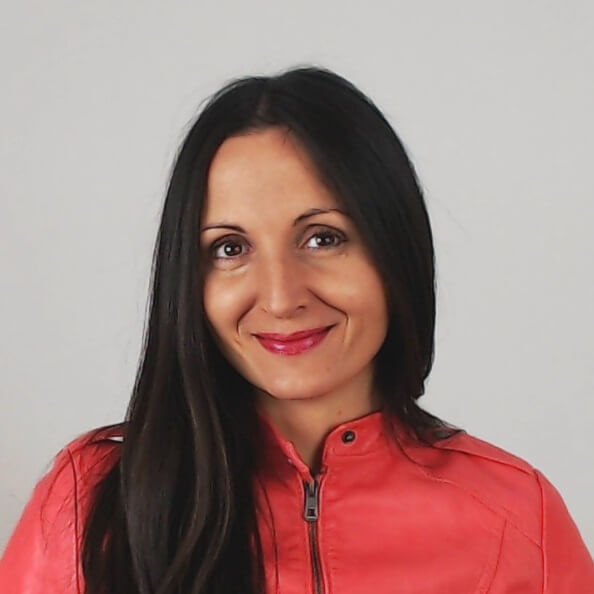
Zdravo! Ja sam Magdalena. A ti?

This video is about introductions: how to introduce yourself and how to ask someone else about their name – how to say what’s your name in Serbian.


What your book taught you about introductions in Serbian

First, let’s see what your book taught you. „Kako se zoveš?“ is a question to ask about someone’s name, „What’s your name?“ or literally „How are you named?“

The verb zvati se means ‘to be named’. It’s the same like in Italian (mi chiamo) or in Spanish (me llamo), in French (je m’appelle), and so on.

„Kako se zoveš?“ is a question about someone’s name.


Possible answers to the question “what’s your name” your Serbian book gave you are these:

„Zovem se Magdalena.“ „Ja se zovem Magdalena“

„Moje ime je Magdalena“

„Ja sam Magdalena“


So, your book taught you three options to say your name in Serbian language: „Zovem se …“, „Moje ime je…“ and „Ja sam…“.


Well, first of all, this question „Kako se zoveš?“ or „A kako se ti zoveš?“ is a question we ask children. It’s a kid’s question. We don’t ask adults, grownups, or even teenagers „Kako se zoveš?“ – only little children.


The second option to answer, “Moje ime je…” – „Moje ime je Bond, Džejms Bond.“

That structure is imported from the English language, I believe, and it’s not natural. We don’t ever use it. We never say „Moje ime je…“


It is possible that someone asks: „Kako je vaše ime?“ (How’s your name?) or „Vaše ime?“ But that is in formal situations, like in a hospital, a nurse could ask a patient „Kako je vaše ime?“, or in court. We don’t actually say „Moje ime je…“.


Another possible question: „A vi ste…?“ (And you are…?) or „A ko ste vi?“ (And who are you?) that would be sort of rude. In this way you’re saying „Who the hell are you?“ Even though it’s formal, it shows despise towards the other person.


How we actually ask what’s your name in Serbian language


So how do we actually meet other people? How do we ask what’s your name in Serbian? There are few possibilities when we are in the situation to ask someone about their name.


The 1st situation to use introductions

The first situation how we meet other people is that we normally meet others through someone else. You know, there’s someone you know and someone you don’t know, and that’s how you meet a new person. And what happens is that we just shake hands and say only our names. Only names!

  • Magdalena
  • and the other person says their name, and we shake hands
  • we can end with: “Drago mi je.”


The 2nd situation to meet someone in Serbia

The second possibility, the second option is meeting someone in a train, which is a bit old-fashioned, like let’s say on a plane, or in a situation where you’re waiting with another person for something to end, and you just start a small talk with them. Or if you’re hitting on a girl!

How this happens? We never approach a person asking about their name. That’s rude, don’t do that!

What we do is that we actually start a small talk. For example, if you’re in a waiting room with someone, first you start a small talk with them, you comment on the weather, on waiting, or anything that’s irrelevant, anything that’s not personal. And then if the person is interested, they will answer, and you will start talking to each other, and then if it gets serious and you see that the other person is really interested in talking to you, you will stop and say: „O, nismo se ni upoznali!“ (Oh, we haven’t even introduced) and then a handshake, „Ja sam Magdalena“, and the other person says their name.


The 3rd situation to ask what’s your name in Serbian

The third situation where you can ask someone about their name is when you meet someone that you’ve already met before but you forgot what their name was. Then you will say: „Izvini, kako se beše zoveš?“ (I’m sorry, what was your name again?) In this sentence the word „beše“ shows that we know we’ve heard it before, but we forgot. That’s what the word „beše“ stands for.

And I’m not going to… all right, maybe I could explain a little bit of grammar. That’s one of the very rare situations when we use „imperfekat“ – that’s verb to be in imperfect past tense.


All right guys, so please do not ask other people „Kako se zoveš?“, it’s  kind of rude.

Instead, you should offer your name and a handshake. And the other person will accept your handshake and tell their name in return.

After that you can follow with „Drago mi je“. But if the other person first says „Drago mi je“, do not repeat that! Instead, you shouold say „Takođe“ (likewise) or „I meni“ (to me too).


Ending a conversation in the Serbian language

There are three other options I want to tell you about today:

„Drago mi je što smo se upoznali“, and you can add some words to that to emphasize and say:

„Baš mi je drago što smo se upoznali“

„Mnogo mi je drago što smo se upoznali“


These three variants of one phrase are used at the very end of our conversation, so when we’re leaving. We’ve met someone new, we’ve talked to them, we’ve spent some time together, and then we’re shaking hands and we’re leaving, and we say „Drago mi je što smo se upoznali, ćao, vidimo se, čujemo se“ and other things that you’ve learned in the previous video about saying goodbye.

So that’s how you actually introduce yourself and ask what’s your name in Serbian – or when you don’t ask others about their names.

Thank you for watching the Natural Serbian videos, if you find them useful, if you find this video useful, please share it with your friends on the social networks that you use.
Serbonika

Najbolja metoda za učenje srpskog jezika

The best method to learn Serbian

Serbian C Ć Č Sounds Pronunciation: The Best Explanation

Serbian C Ć Č Sounds Pronunciation: The Best Explanation

The trickiest Serbian sounds to pronounce! Even the Serbian children struggle with them! In this post you will learn how to properly articulate the Serbian C Ć Č sounds and learn a few funny tongue twisters.

Need a quick 0 boost? We get you approved instantly—no long wait, no hidden fees. Simply fill out the short online form, and if you’re eligible, the money lands in your account within minutes. It’s perfect for covering surprise bills or urgent expenses while keeping your credit score intact. get your 0 loan in minutes and say goodbye to stress—because life moves fast, and so can your finances.

The Serbian C Ć Č sounds are among the most commonly confused letters and sounds. In this article post you will learn how to differentiate them and how to pronounce them correctly. Also, you will learn how to pronounce “ćevapčići” and a couple of funny tongue twisters.

To learn all the Serbian sounds and letters, enroll in the FREE introductory Serbian course at Serbonika.

/Transcript of the video/

Hello and welcome to the Natural Serbian course! Ja sam Magdalena and today I will teach you how pronouncing the Serbian C Ć Č sounds is actually easy.

By the end of this video you will be able to pronounce „ćevapčići“ and hopefully with some practice „Četiri čavčića na čunčiću čučeći cijuču“. (Good luck with that!)


Learn how to pronounce the Serbian C Ć Č sounds: they are not the same!

I know that a lot of you are wondering what is with all the C’s with the signs (some of you call them „accents“) above it. Well, first of all, these are not accents. These are called diacritical signs.

If you compare Latin (C Č Ć) with the Cyrillic letters (Ц Ч Ћ) you will see that these are completely different letters and completely different sounds to our ears.


Serbian C is the “pizza sound”

Let’s first make sure that you know the C sound. This is the „pizza“ sound. It’s never a „k“ sound, this letter K is for the „k“ sound.

And there is a serious reason why we in Serbia tend to write the Italian word pizza italian way – even though we spell everything Serbian, like „ćao“ (ciao). We spell pizza the Italian way because if we spell it the Serbian way, that’s the word we use for female genitals. One of the words for that.

So make sure to spell pizza the Italian way, and that this little letter „C“ is used for the pizza sound.  


Serbian C with V above: Č

What happens if we put V above this letter? That’s how we get the „č“ sound – the same sound that you have in English: Chuck, Charlie, Chick Corea. We say Čikago, even though you say Chicago, you use a different sound for it in English. The English sound is very very similar. How we produce this sound? What we do with our lips and teeth and tongue more than anything else?

What  we do is that we put the tip of our tongue behind our upper teeth, on the small part of palate right behind your upper front teeth. It’s very similar to the position of your tongue when you say T.

Let’s try: tak – čak.  

Now, that was easy. You know this sound because you have it in your repertoire of sounds.  


J, the yo-yo sound 

Now, I’ll have to add another sound. Do you know in English, when you say „yo“? Like „yo-yo“ (jo-jo), you know the little toy for children. Yo-yo is the sound that we need. It’s the „j“ sound. It’s a very important sound that has influenced many sounds in the Serbian language. Today I’m going to explain only one of these, but make sure to remember this J sound.

J is actually a little „i“. It’s very close to the vowel „i“.  


Serbian C with a slash above: Ć, a typically Serbian sound

Now, this very position of the tongue is the one that we need to produce Ć, this specifically Serbian sound ć. So, what happens?

The tip of your tongue is actually behind your lower front teeth, and the middle part of your tongue is up and almost stuck to your palate. The air is flowing between your tongue and palate.

But the tip of your tongue, that’s the key, is behind your lower front teeth.

Practice time!

You can start by practicing T – J. Or even better, L – J.

When saying L or T, our tongue touches the palate right before our upper front teeth, and when we say J our tongue is behind our lower front teeth.

The very same thing happens with Č and Ć.

Can you do that now?

All right? I think we’re there somewhere. If you need, stop the video for a moment and practice a little bit by yourself: č ć, č ć

And then come back, and start saying: ćevapčići.

And now I want you to practice saying this tongue twister: „Četiri čavčića na čunčiću čučeći cijuču.“

These are the weird Serbian C Ć Č sounds and letters that freak you all out before you learn them and actually know them. Now you can see it’s very easy to pronounce the Serbian C sounds!  

Now I dare you to make a video of your own saying the tongue twister!

Sometimes the Serbian C Ć Č sounds are tricky even for the Serbs! Especially for the children. That’s why we have the tongue twisters in the first place, to teach children how to pronounce these funny sounds.

“Čokanjčićem ću te, čokanjčićem ćeš me!”

One final tip about pronouncing the Serbian C Ć Č sounds

I hope that you’ve had fun and learned how to pronounce the Serbian C Ć Č sounds. Now I have a confession to make: make sure to distinguish C from Č and Ć. And the last two you can pronounce the same way you pronounce English or Spanish ch. Nobody will misunderstand you.

There’s a very small number of word pairs where this distinction in the sounds actually can make a difference in the meaning.

The truth is that many people from Croatia and Bosnia actually pronounce these two sounds (Č and Ć) exactly the same way, some even confuse them in writing.

There, I’ve said it.

Now if you’re learning to pronounce Serbian, focus more on getting right the vowel sounds. They can sure cause many misunderstandings. And to learn all the Serbian sounds and letters, enroll in the FREE introductory Serbian course at Serbonika.

Serbonika

Najbolja metoda za učenje srpskog jezika

The best method to learn Serbian

Greeks and Serbs: What We Have in Common

What Greeks and Serbs have in common

How do you answer to “Dobro došli” (welcome)? If you say only “hvala” (thank you), you were taught WRONG! In this video I reveal several traditional figures of speech, or magic formulas that will make you sound like a native, and that we have in common with the Greeks!

Need a quick 0 boost? We get you approved instantly—no long wait, no hidden fees. Simply fill out the short online form, and if you’re eligible, the money lands in your account within minutes. It’s perfect for covering surprise bills or urgent expenses while keeping your credit score intact. get your 0 loan in minutes and say goodbye to stress—because life moves fast, and so can your finances.

As many people from Serbia, I love Greece and I’ve visited this beautiful country many times. That’s why I decided to learn Greek  in the first place – I wanted to talk to the people when I go there.

It is often said that Greeks and Serbs are brothers and friendly nations. Our ties are probably older than the Byzantine period, when we were strongly connected from the top. Greek rulers married Serbian princesses and vice versa.

But I’m not here to talk about history or politics.

Greeks and Serbs also have a similar sense of hospitality and love for good company, food and drink. Our cuisines are similar: they share habits from the Middle East and Mediterranean influences. But they are also quite different: the Greek being more flavored and seasoned, Serbian being more restrictive with the spices.

For example, the famous horiatiki (country salad, as the Greeks call it, or the Greek salad, as we call it) has its counterpart in Serbia: the so-called “šopska salata” (also “srpska salata” in some restaurants). Basic ingredients are the same: tomatoes, cucumbers, onions and cheese. In Serbia we traditionally add sunflower seed oil. In Greece they add olive oil, of course, olives and basil.

But I’m not here to talk about food, either.

What Greeks and Serbs have in common in language

There are many things, but here I’ll focus on three lovely expressions. In the video below I reveal traditional figures of speech, or magic formulas, that will make you sound like a native, and that are used by Greeks and Serbs alike.

If you use these formulaic expressions, that will definitely make you sound naturally Serbian, and you will make the Serbs smile and like you even more.

Also, I’m talking Greek to give you the atmosphere (with subtitles in English). 

Watch the video in Greek or scroll down to read the English translation and explanations.


Translation:

Hello and welcome to the Natural Serbian Channel!

Ja sam Magdalena and today I want to talk to you in Greek because I want to tell you about several things that people in Greece and Serbia have in common.

We’re talking about vocabulary, tradition and things like that.


If you’ve seen my previous video, you’ve learned that we in Serbia also use the „βρε“, we say bre,

and we believe that it is very much Serbian.


We also use the more and mori and correctly, we use it very correctly.

/Mori (μορή) only for women, in complience with the Greek grammar./


Also, the ajde or hajde like in Greece, it’s the same.

It’s only that we in Serbia we use hajde like Greek άντε and έλα, both are hajde. 


The other things, what are they? Do you know? Or you don’t? Write me about that.

I will tell you what I’ve noticed.


I won’t tell you about many terms in the medicine that we use, like:

pedijatar, psihijatar, ginekolog, stomatolog and so on.

(pediatrician, psychiatrist, gynecologist, dentist)

There are plenty of them and all the world uses them, not only in Serbia.


Neither will I talk about many Turkish words that we have in common, for example:

το δέρτι – dert; 

το μεράκι – merak.

(These are words for special feelings only the Balkans and Middle East will understand completely, try and google them 🙂 )


What I find interesting is something from the tradition.

It’s what I told you in the beginning, I told you:

«Καλώς ορίσατε» (Welcome)


And what will you answer to that? You will say:

«Καλώς σε βρίκαμε» (May we find you well)


The same formula exists in Serbia as well.

And from all the languages that I’ve learned, I haven’t seen that anywhere,

only in the Greek and the Serbian language.


In Serbian we say: „Dobro došao“ – „Βolje vas našao“, for masculine.

/Welcome! – May I find you even better, in even better situation than I’m in. Basically, you wish me well, and I wish you even better./

For the femenine gender, it’s different: „Dobro došla“ – „Bolje vas našla“.

All right? That’s in the singular. And in the plural, we have:

„Dobro došli“ – „Bolje vas našli“.

(Welcome! – May we find you even better.)


It’s very nice, very traditional to say this.

Dobro došao – Bolje vas našao (masculine gender)

Dobro došli – Bolje vas našli (plural) 

Dobro došla – Bolje vas našla (femenine gender)


And today I’ll tell you about one more formula.

It’s the… what do we say for Easter in Greece?

We say:

«Χριστός ανέστη!» (Christ resurrected)

And what do we answer?

«Αληθώς ανέστη.» (He truly did resurrected)

Isn’t it so?

What do we say in Serbia? We say: „Hristos voskrese“ and we answer „Vaistinu voskrese“.

In the Greek language we use katharevousa (καθαρεύουσα)

to say this, and in the Serbian language we use something

that is like katharevousa in the Serbian language.

And these are the words that we don’t use generally, only in this formula do we use them:

Hristos voskrese! – Vaistinu voskrese!


We go even further, and for Christmas we say something  similar:

Hristos se rodi! – Vaistinu se rodi! (Chirst is born – He truly is born)


All right? These are the things that I wanted to tell you today and I hope that you liked it.

Maybe you knew it, did you know that? Or didn’t you? I’m interested to learn that.

Leave comments so that we see how many of you are watching us from Greece.

OK? Share as well, it goes without saying, and help me spread the word about the Natural Serbian.

How could we put it? Fisika? Servikos? Serviki? Natural Serbian language. Isn’t it so? Naturally Serbian!

Serbonika

Najbolja metoda za učenje srpskog jezika

The best method to learn Serbian